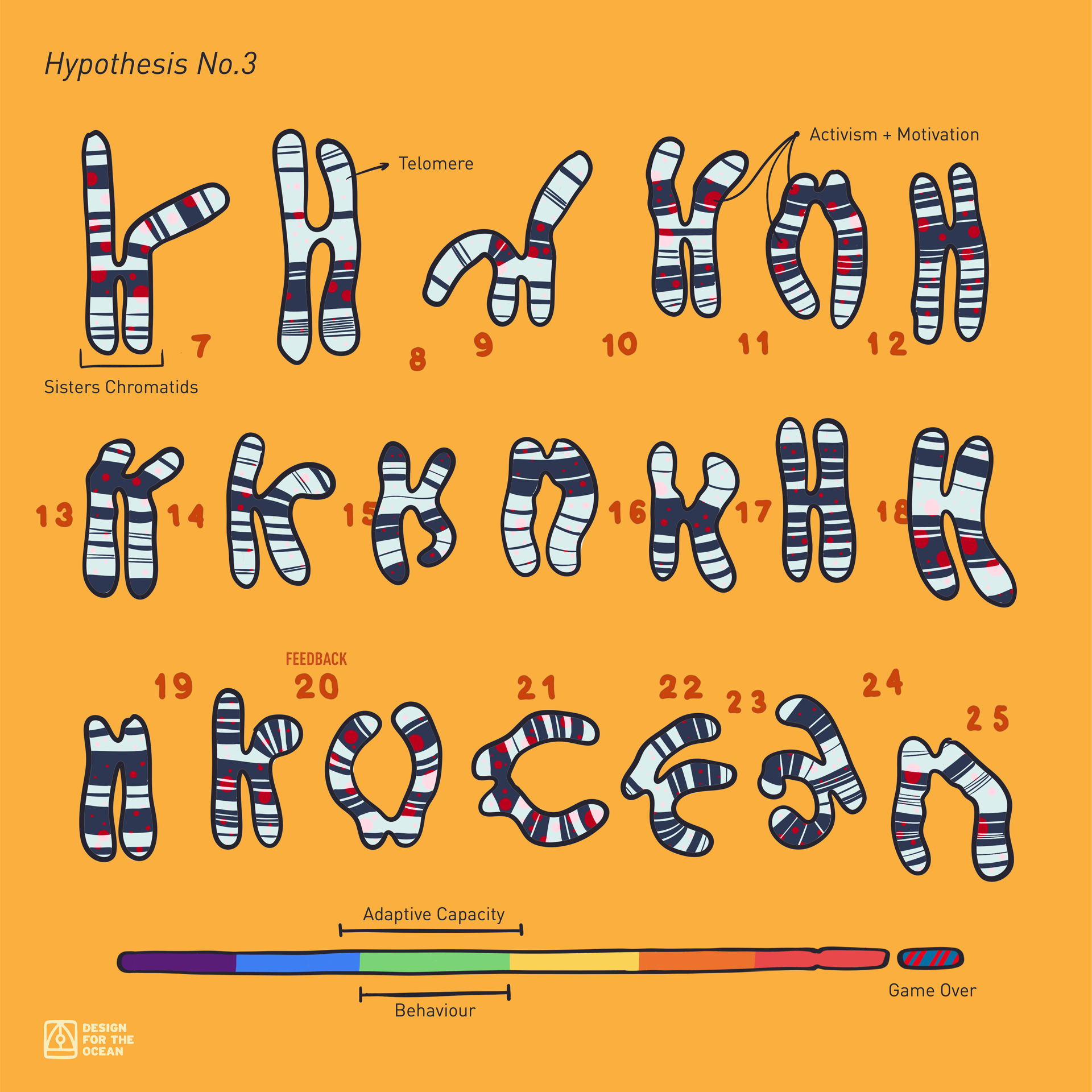
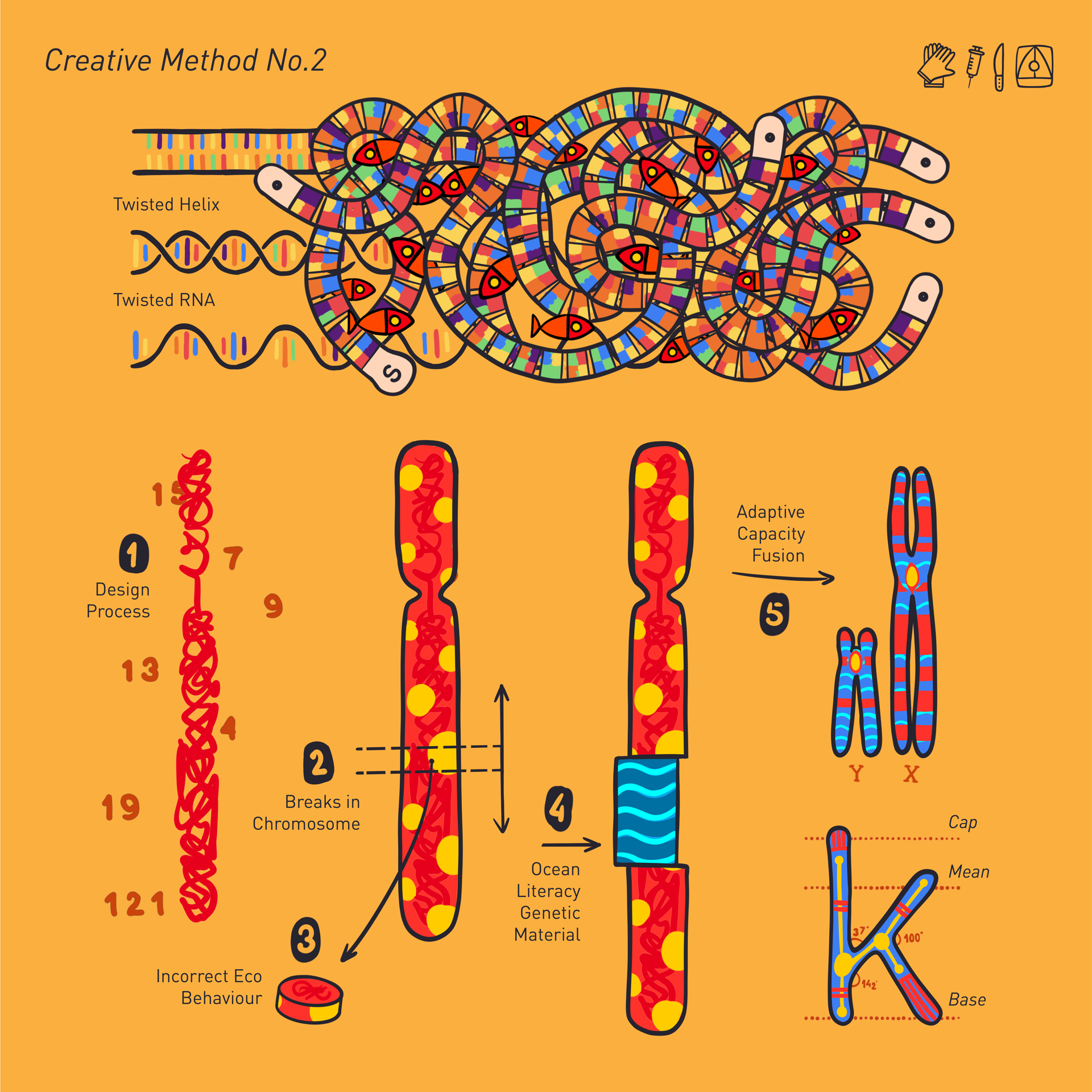
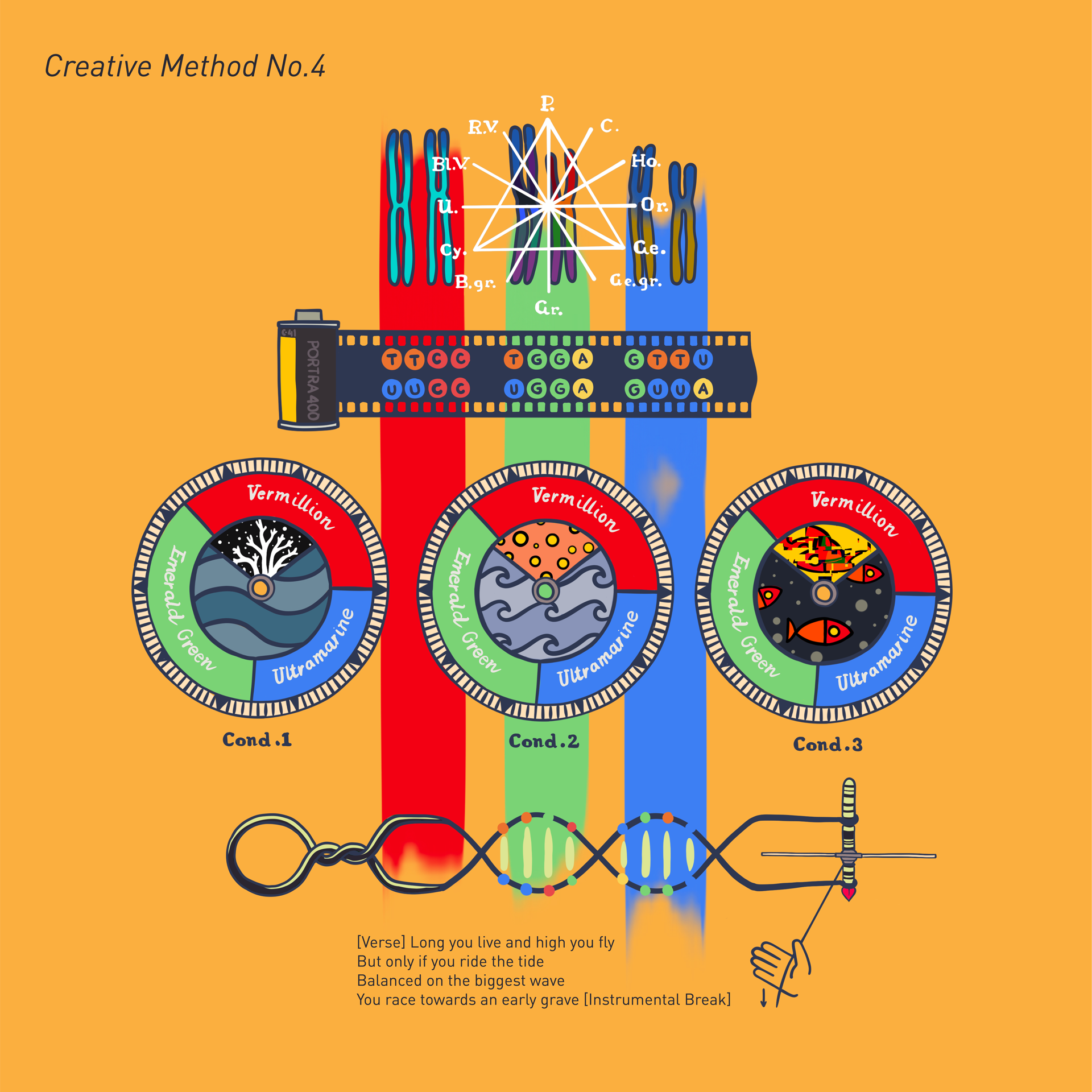
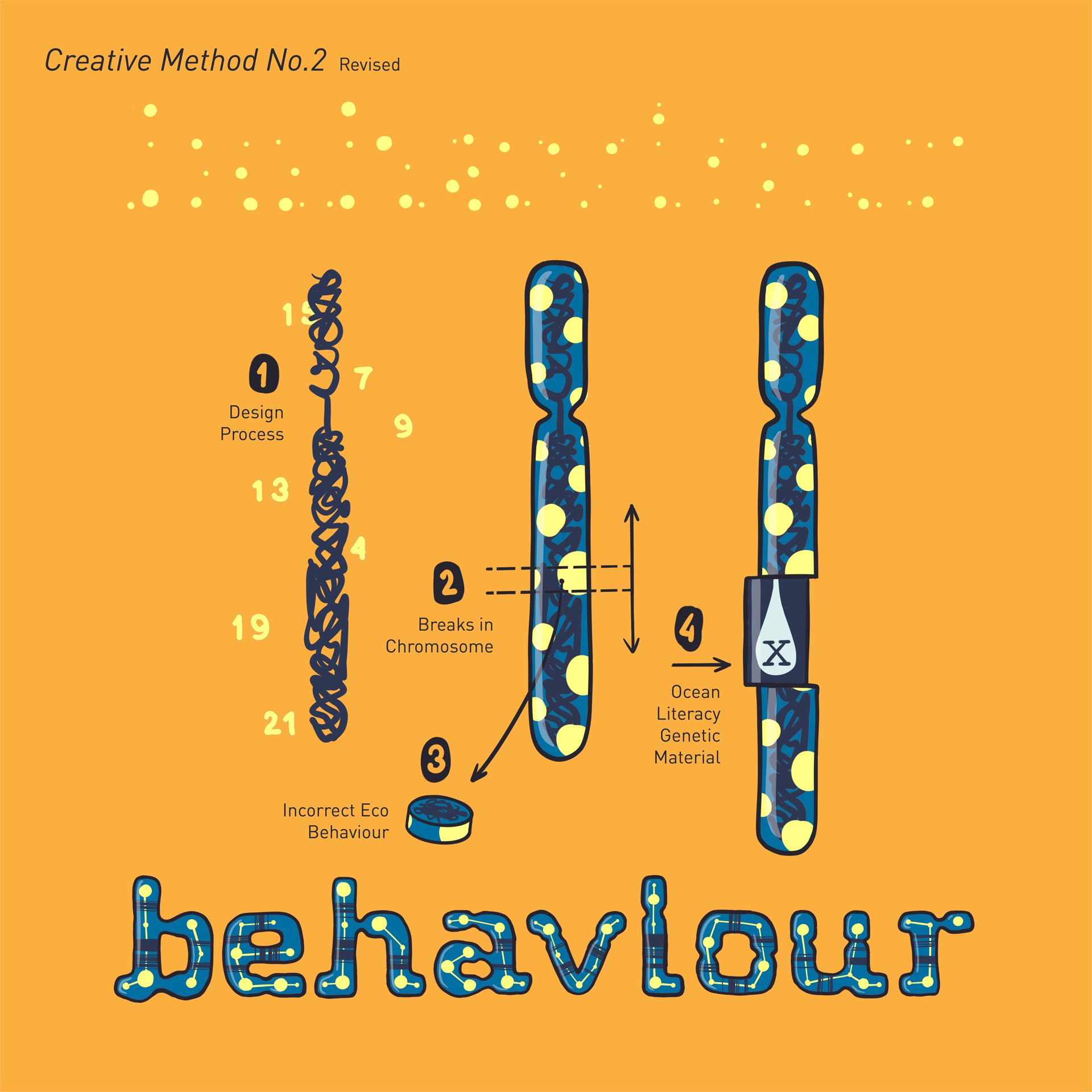
Design for the Ocean Yes, almost all of this design research project just lives inside my head. At this moment, it is my personal visual exploration of my practice as a communication designer and researcher, and my emotional relationships to the Ocean. All this started with a window and an MA Design Brief at the University of Leeds's School of Design in 2021. It is a work-in-progress project in an exploratory stage.
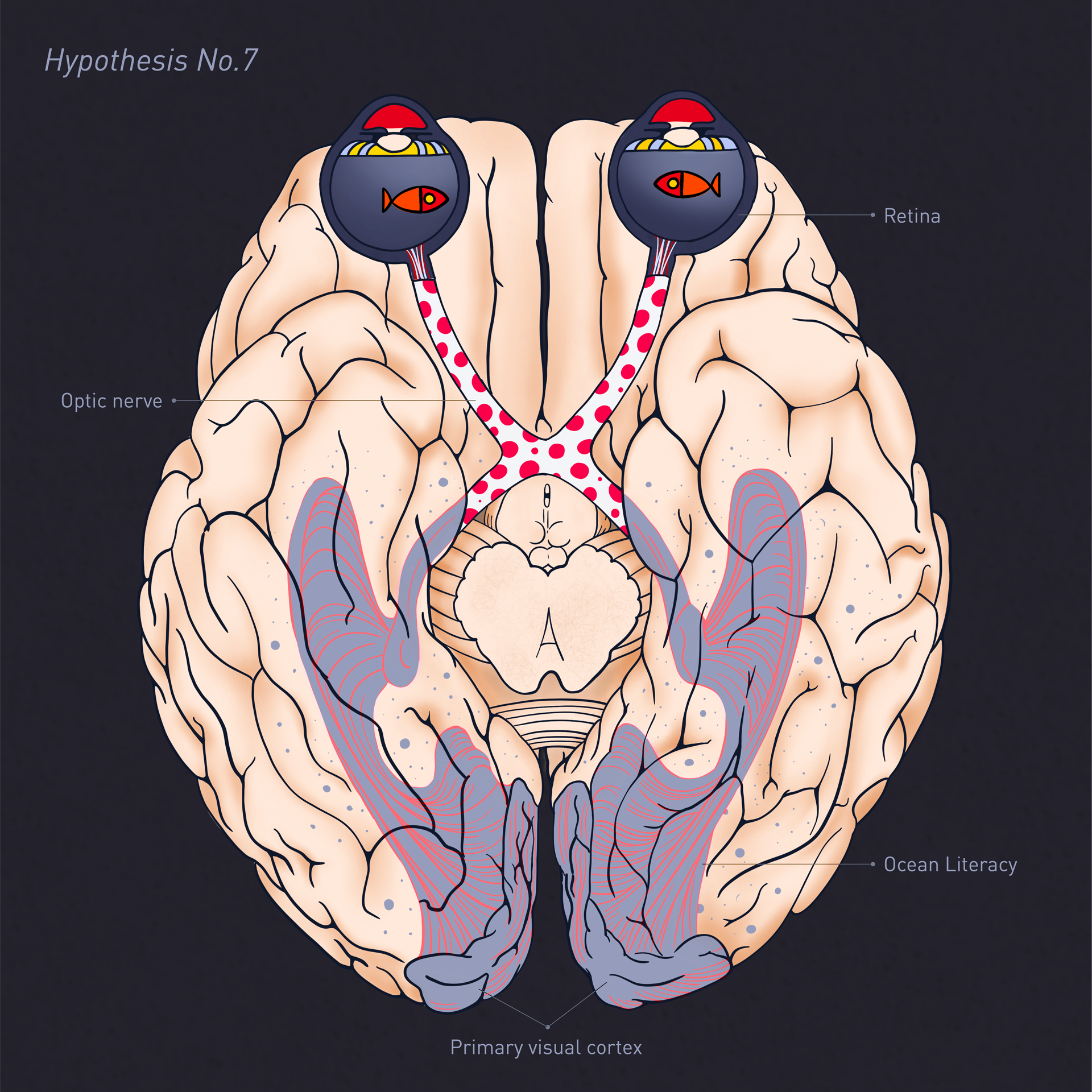
Ocean Literacy Over the last decades, research has stressed the need to increase ocean education in formal and informal settings by addressing the dimensions of ocean literacy. Trends in anthropogenic climate change and land cover change have increased the frequency of extreme weather events. Such events have significant implications for the global water cycle, and consequently, the ocean has experienced unprecedented change. The ocean covers 71% of the planet's surface, holds 97% of its water, and supports 80% of its life forms. It is a critical component of Earth's biodiversity and an abundant source of sustenance, yielding nourishment, medicinal resources, and valuable energy reserves. Besides, the ocean plays a pivotal role in regulating Earth's climate, deeply connecting all aspects of human life. Despite the ever-increasing global awareness of the climate, pollution and biodiversity crises, research has shown low levels of understanding of marine environmental issues and awareness of the ocean’s impact on our lives.
Educational institutions play a key role in promoting environmental and ocean literacy, as well as critical thinking skills, among individuals. In particular, increasing understanding of the ocean's importance to our daily lives, our impact on the ocean, and enhancing communication about the ocean in meaningful ways, leading to informed and responsible decisions. Consequently, integrating marine science into the education curriculum has become a key issue for expanding and promoting pro-environmental behaviours. Reinforcing these arguments, global initiatives such as the 2021–2030 UN Decade of Ocean Science for Sustainable Development have stressed the importance of education for sustainable development to improve society's relationship with the ocean.
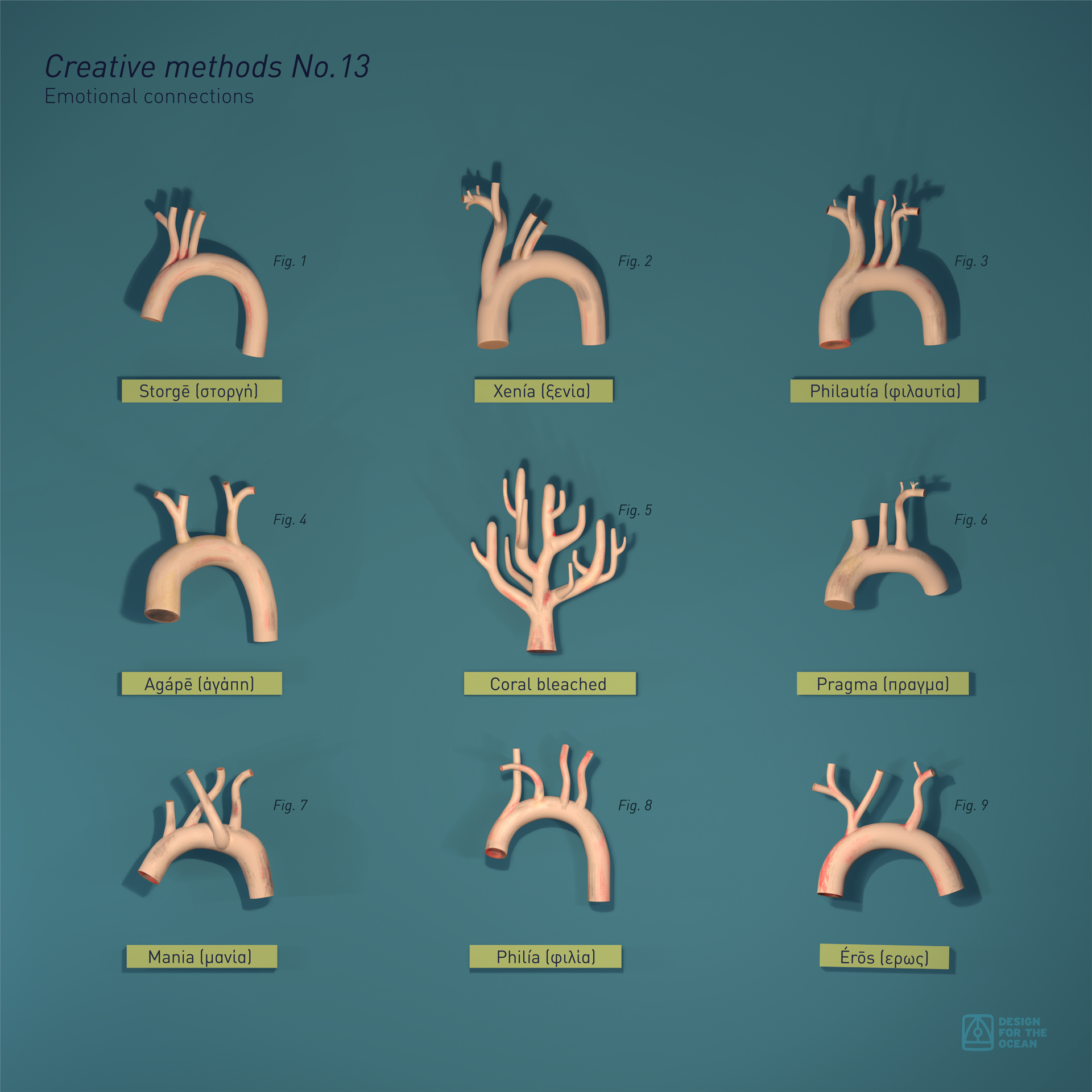
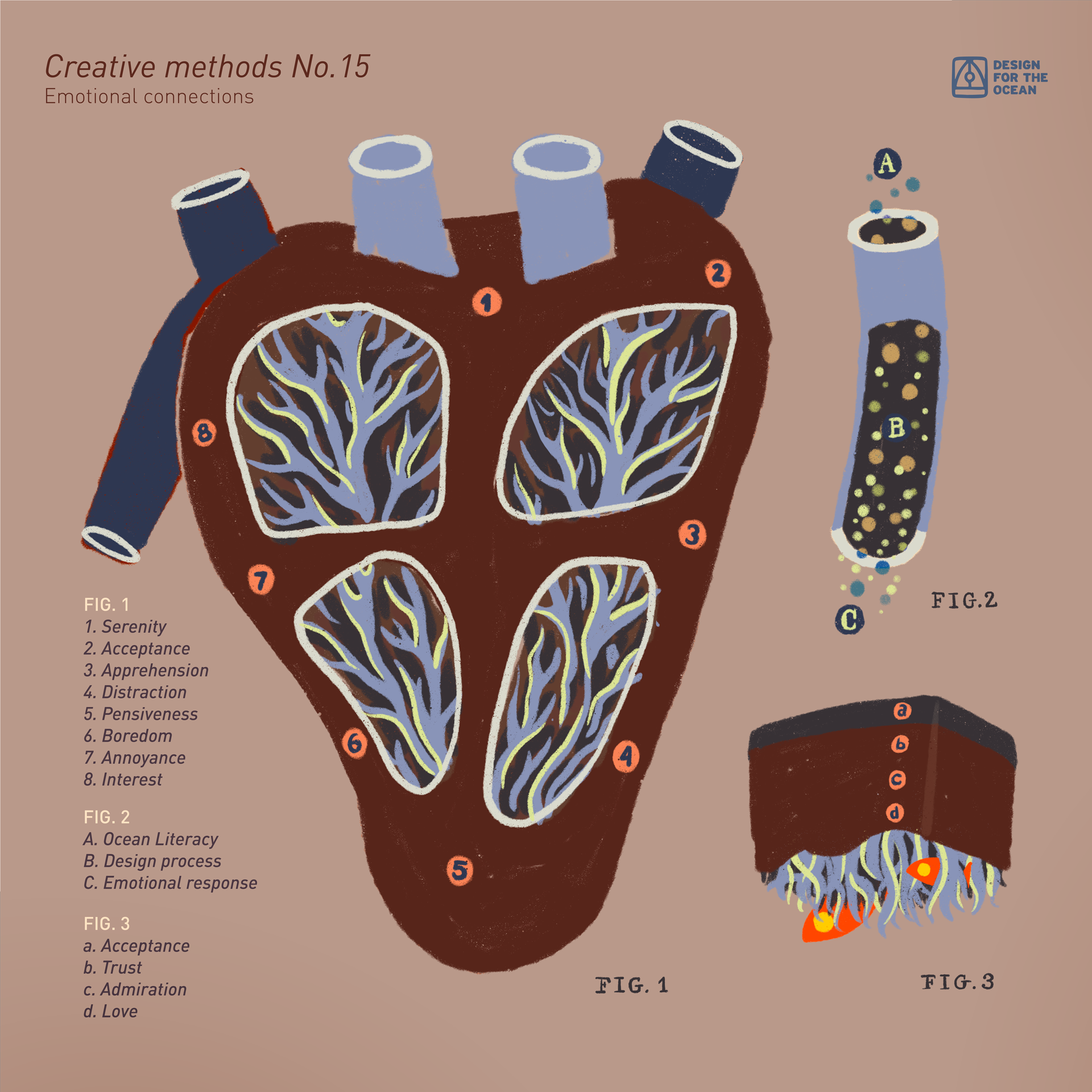
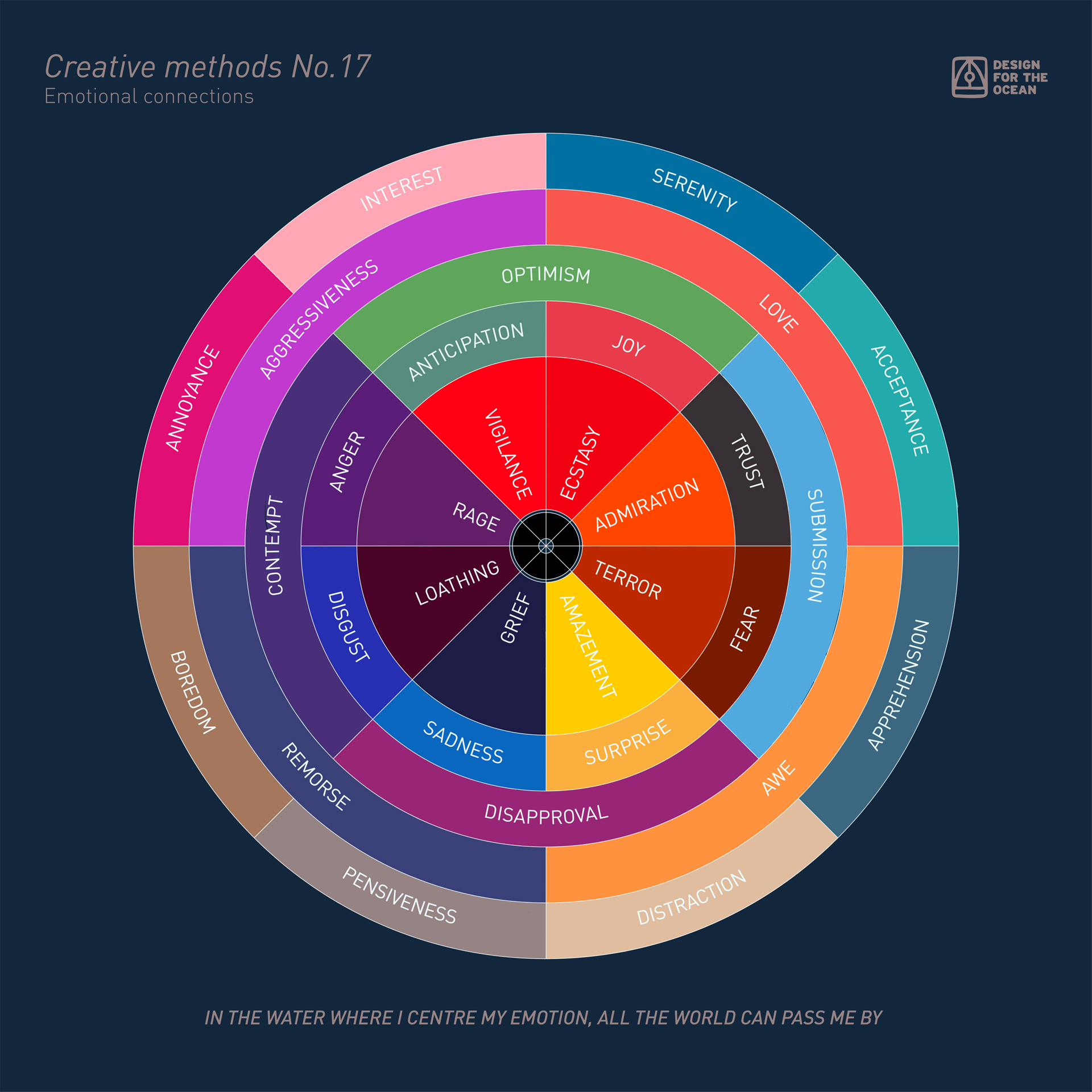
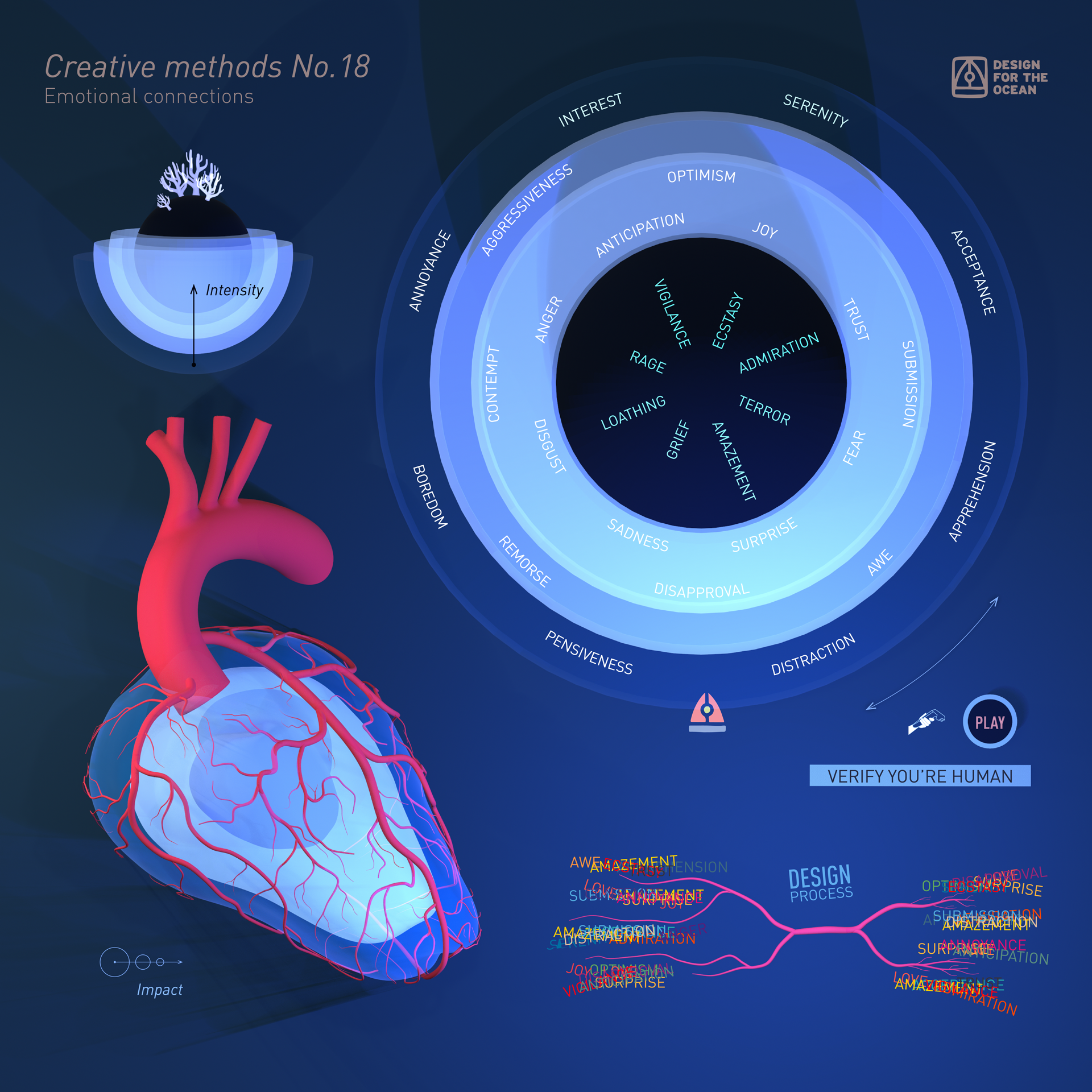
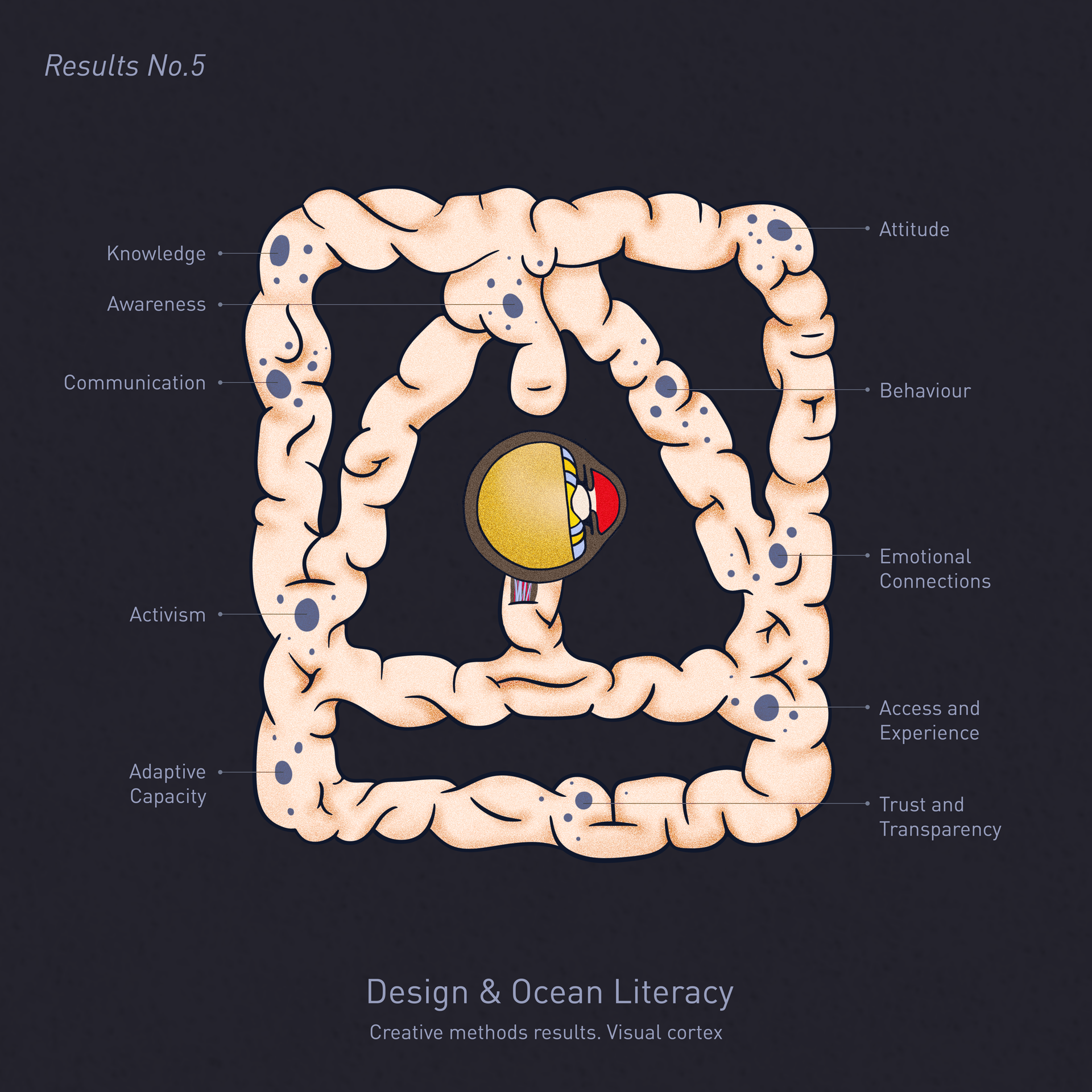
Aligning with this, the need to shift to models that foster active participation, connection and engagement has been emphasised. Models nurturing multiple aspects or dimensions of ocean literacy were then proposed, expanding from an approach transferring information about the ocean and our impact based on knowledge, communication and behaviour to one considering three additional dimensions: attitude, awareness and activism. Later on, four new dimensions were suggested: emotional connections, access and experience, adaptive capacity, and trust and transparency.
Globally, research has over and over again highlighted the necessity of improving citizens' ocean knowledge by incorporating marine science topics into formal and informal education. This would promote better engagement and understanding of the interconnection between individuals and the ocean, which is mentioned across different ocean literacy dimensions. Nonetheless, even though engagement has been recognised as playing a critical role in promoting sustainable pro-environmental behaviours, empirical studies exploring how to design more engaging ocean literacy experiences are still scarce.
Activism is the degree to which a person engages in activities such as campaigning on social media, attending public rallies, or writing to elected officials to bring about changes in policy, attitudes, behaviour, etc. In this context, activism is defined as taking actions to promote environmental change. This concept is recognised as a fundamental element of educational science. It goes beyond the acquisition of abstract knowledge and involves the ability to effectively address and initiate change in response to prevailing issues.
Activism is realised by concrete actions. The role of environmental activism in the field of educational science is essential for enhancing the actions for implementation, compliance, and regulation of environmental policies. Nevertheless, Hasler et al. (2020) stress that “protecting the environment through protest has become an increasingly dangerous endeavour with harassment, persecution and death of activists occurring at the hands of both states and corporations” (Hasler et al., 2020, p. 517).
The knowledge dimension is commonly at the heart of ocean literacy and one of the most explored topics in the environmental education literature. Although it is commonly assumed as a precondition for achieving sustainable ocean-related behaviour, previous works suggested that only a small fraction of pro-environmental behaviour can be directly linked to environmental knowledge.
Awareness can be defined as the basic knowledge that a situation, problem, or concept exists. Ocean awareness involves not only the perception and understanding of threats but also the changes and options available. Ocean awareness includes both cognitive and affective components.
The attitude dimension is associated with the level of agreement with or concern for a particular position. Attitudes are general evaluations people hold of themselves, others, objects, and issues. These evaluations can be based on a variety of behavioural, affective, and cognitive experiences, and can influence or guide behavioural, affective, and cognitive processes. Research on ocean literacy attitudes commonly involves perceptions, values, self-beliefs, interests, and motivations. Societal attitudes and perceptions towards the ocean are critical in designing interventions to foster ocean conservation.
The ocean literacy behaviour dimension involves the individual's decisions, choices, actions, and habits regarding ocean-related issues. Central to all the problems that have a damaging effect on the environment is the waste produced by our massive collective behaviour and automated lifestyle choices.
We have the potential to contribute to more sustainable futures on land and in the seas by exercising our consumer choice. However, a behaviour change will only occur when an individual possesses both the capability and opportunity to engage in their preferred behaviour. Additionally, the individual must be motivated to choose the preferred behaviour over alternative options.
References Hasler, O., Walters, R., and White, R. (2020). In and against the state: The dynamics of environmental activism. Critical Criminology, 28(3), 517–531. https://doi.org/10.1007/s10612-019-09432-0