Ocean Literacy and Game Theory
The protection of the Ocean has become one of the most urgent points in the world’s environmental agenda. Despite the ever-increasing global awareness of the climate, pollution and biodiversity crises, research has shown low levels of understanding of marine environmental issues and awareness of the ocean’s impact on our lives.
“The only hope for further progress on environmental protection and sustainable development lies with a public that is not only informed but also engaged” (Daigle, 2003).
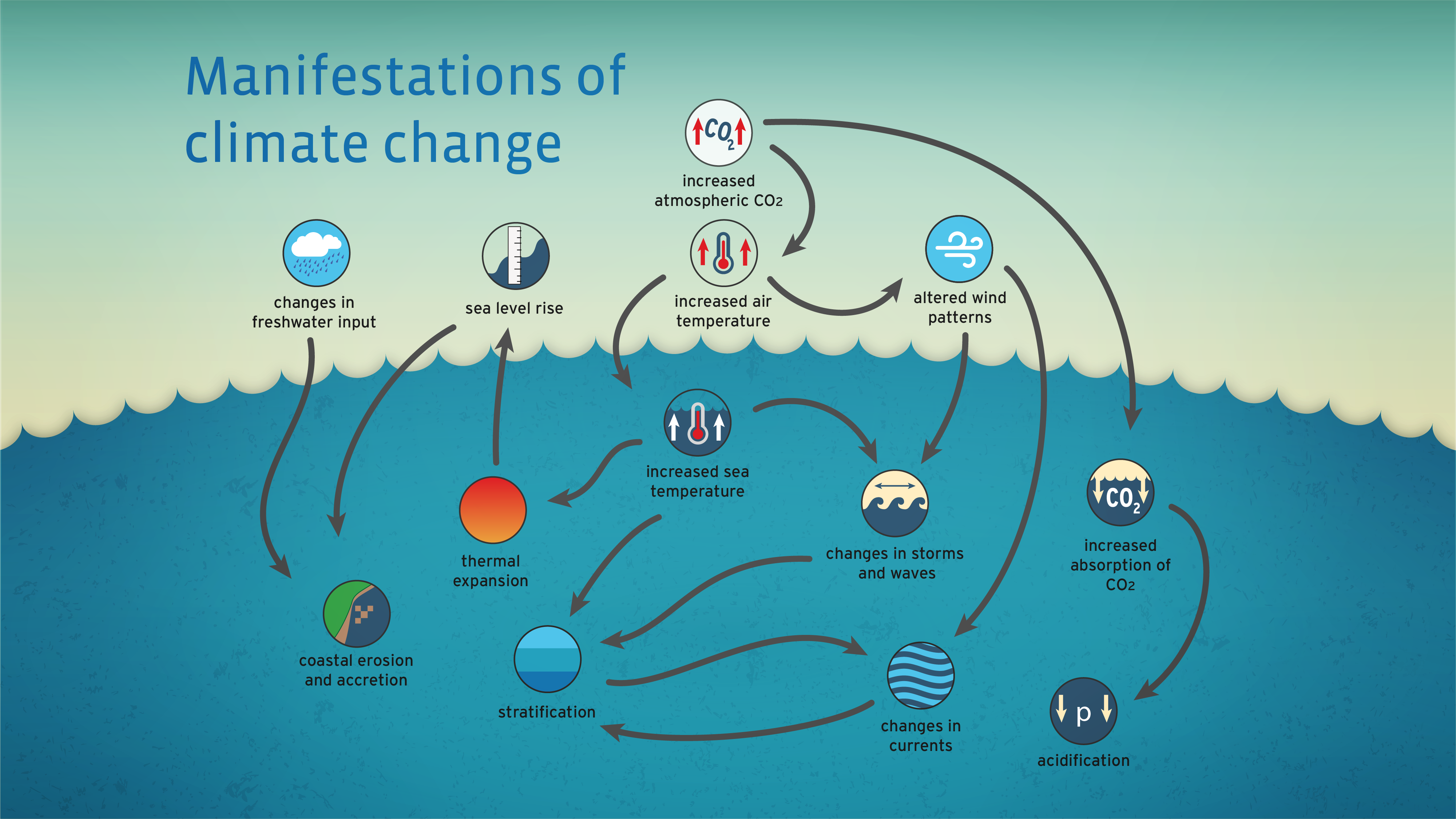
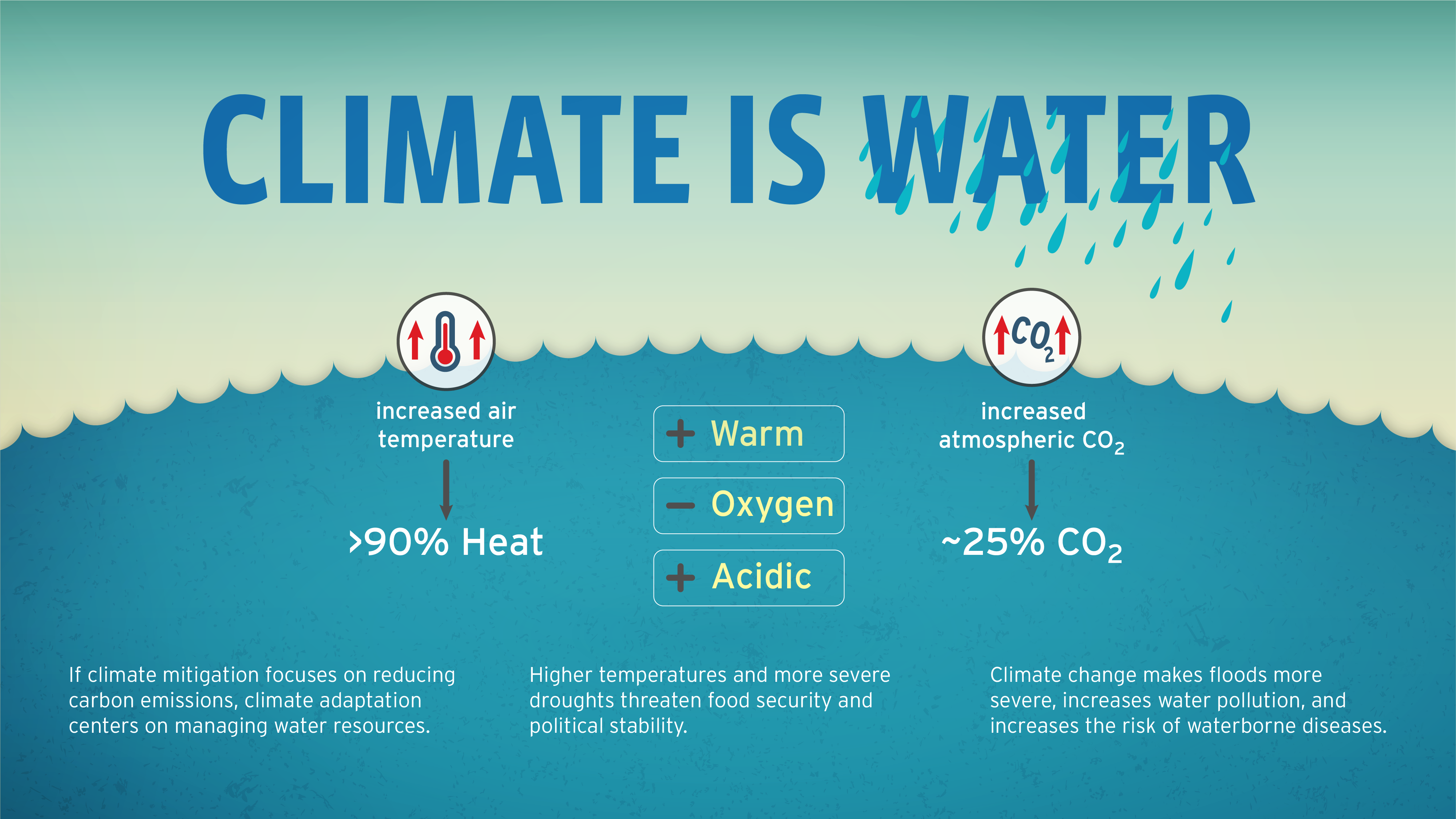
The ocean covers 71% of the planet's surface, holds 97% of its water, and supports 80% of its life forms. It is a critical component of Earth's biodiversity and an abundant source of sustenance, yielding nourishment, medicinal resources, and valuable energy reserves. Besides, the ocean plays a pivotal role in Earth's climate regulation, deeply connecting all aspects of human life.
The Flow...
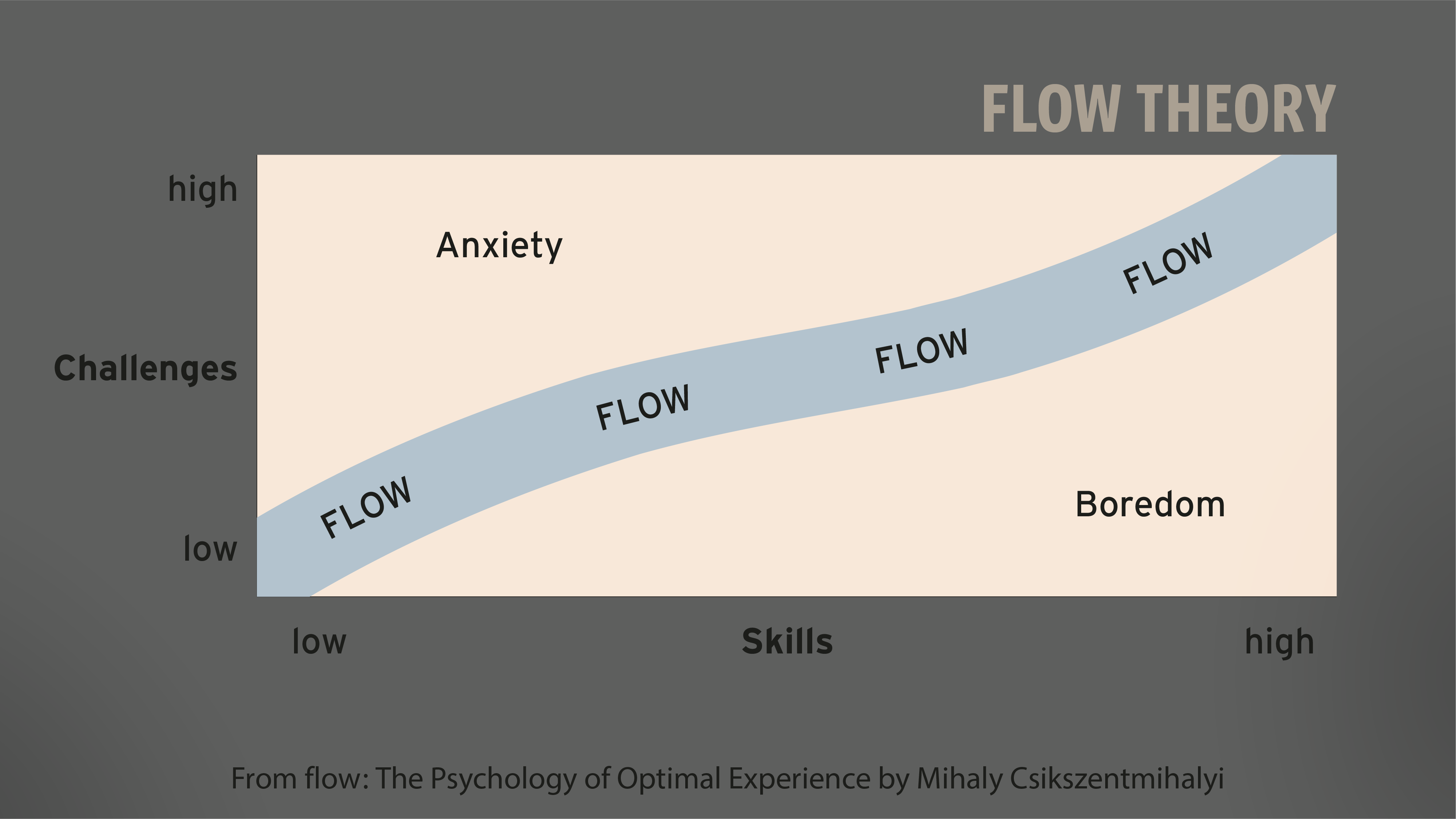
The flow theory by Mihaly Csikszentmihalyi is widely accepted as one of the fundamental models for improving the game experience. The author describes the concept as a process of optimal experience “that is so engrossing and enjoyable that it becomes autotelic” (Csikszentmihalyi, 1999). From a broader viewpoint, flow theory seems very similar to the intrinsic motivation layer of the self-determination theory by Deci et al. (1999). SDT is a broad framework for the study of human motivation that defines intrinsic and varied extrinsic layers of motivation.
However, most gamified systems neglect the essence of games and what makes them powerful, such as the behavioural and psychological processes that underlie them. “The mere inclusion of meaningless points, badges, and bright colours, which serve as the catalysts to engagement without full comprehension of their purpose or reason of attainment, fails to make a gaming experience fun and engaging” (Chee and Wong, 2017).
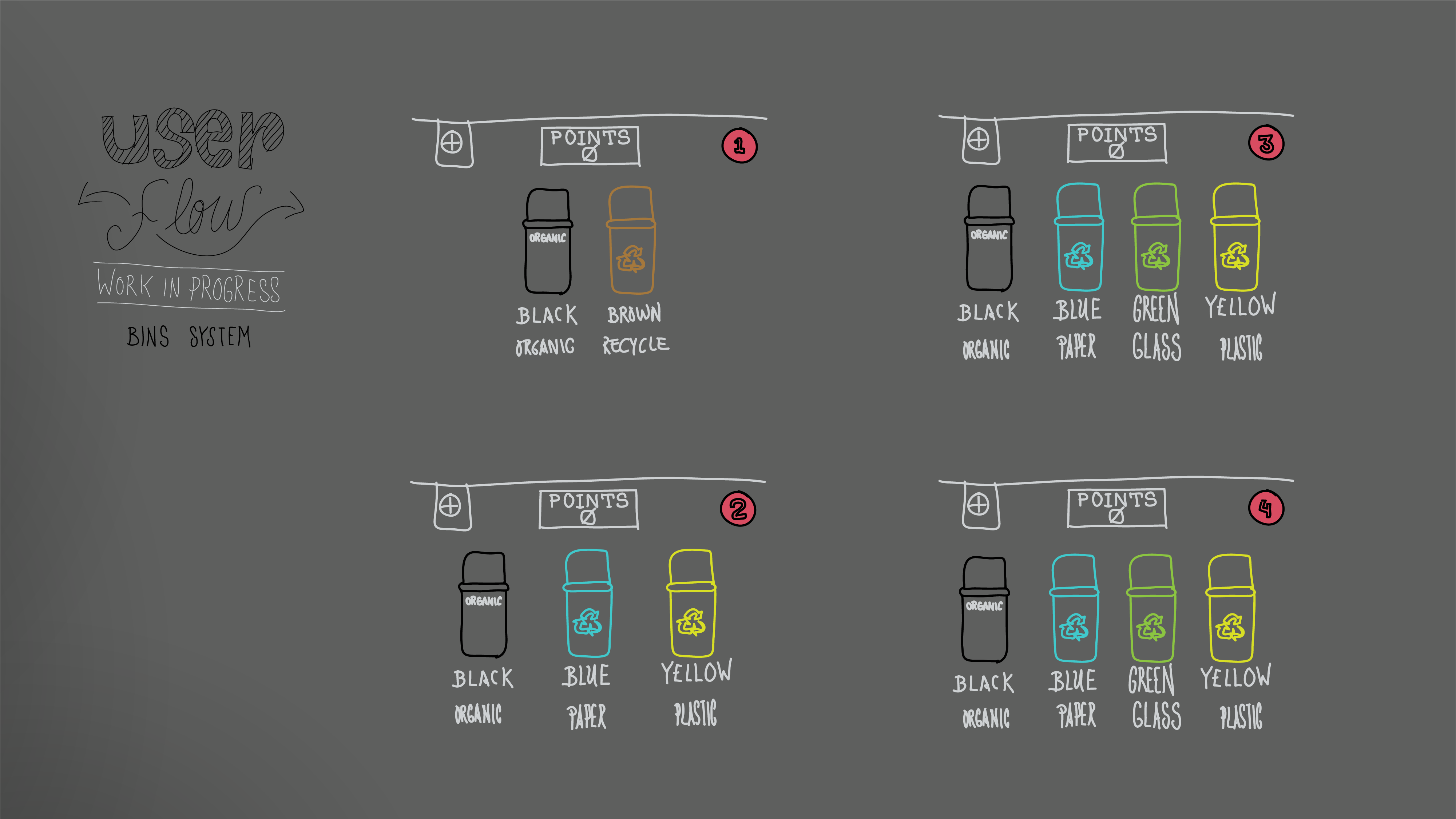
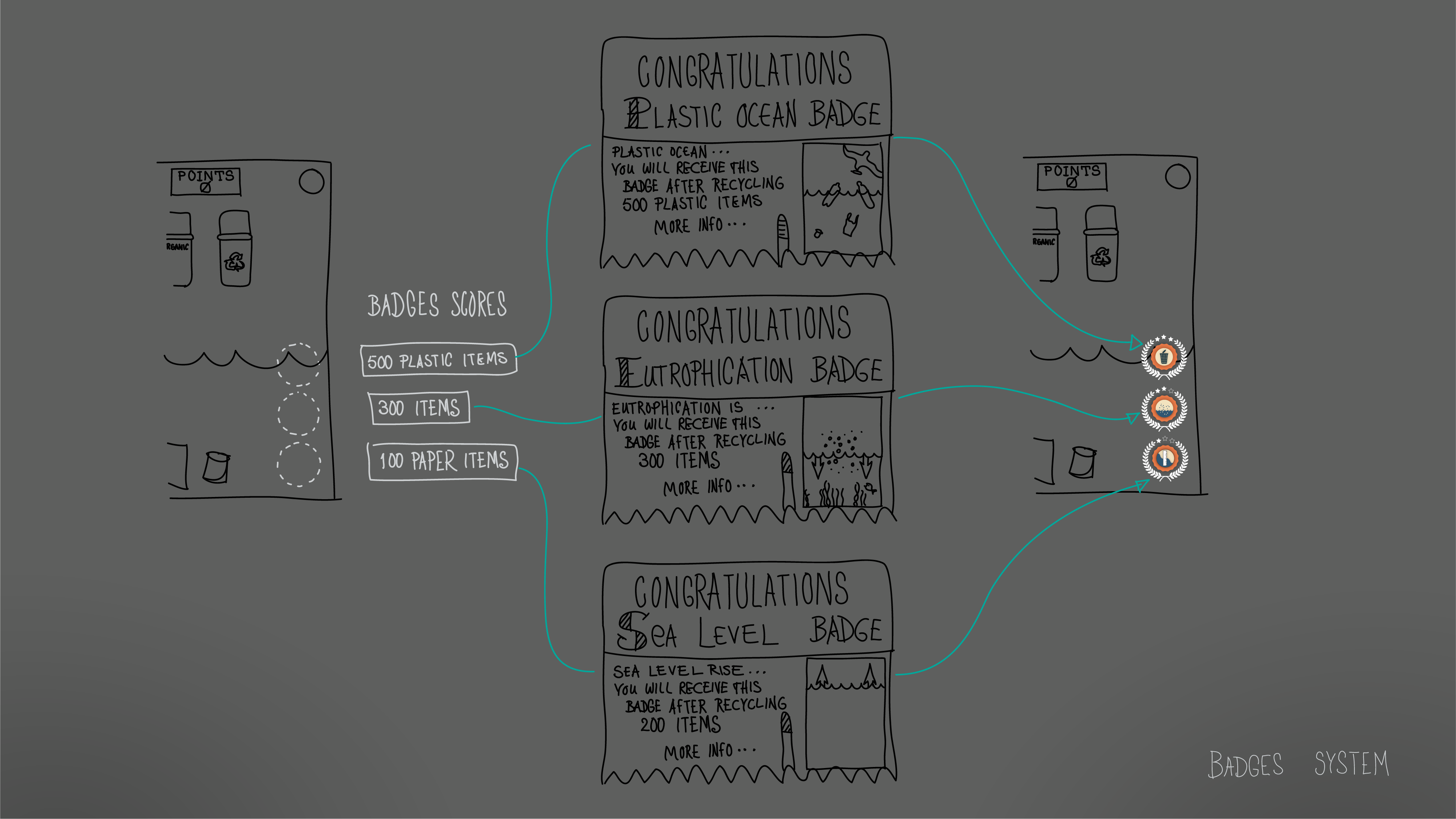
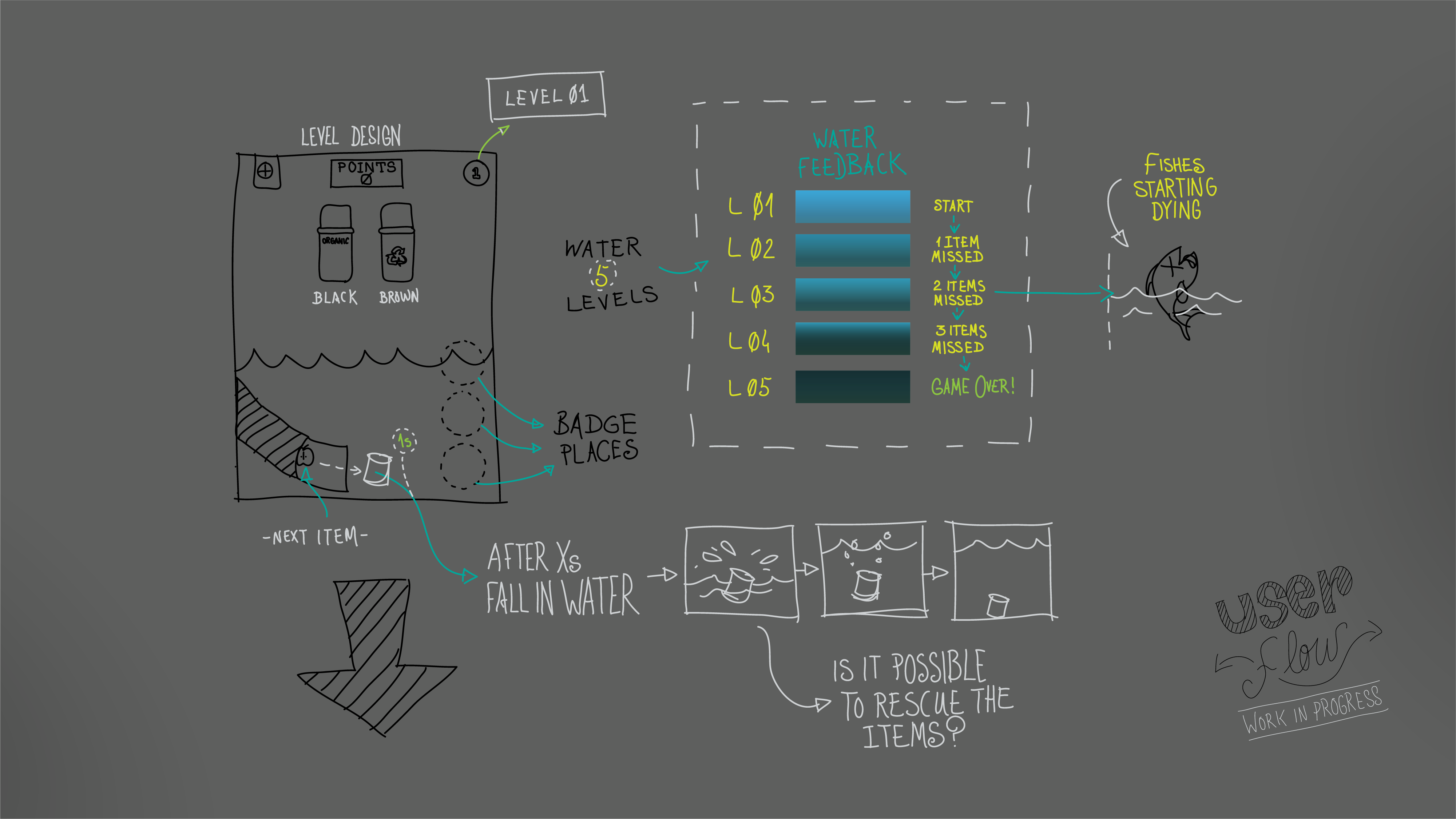
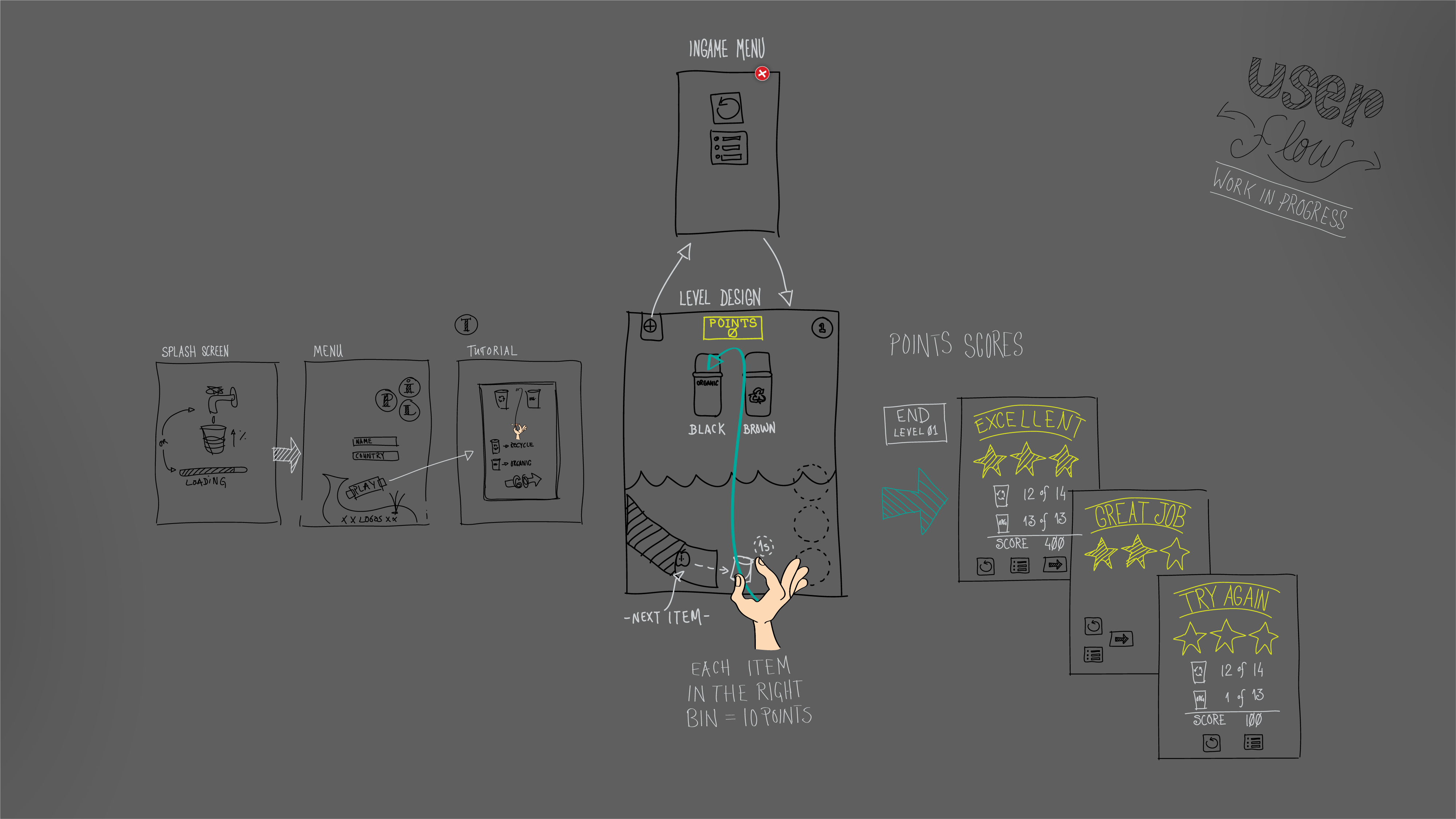
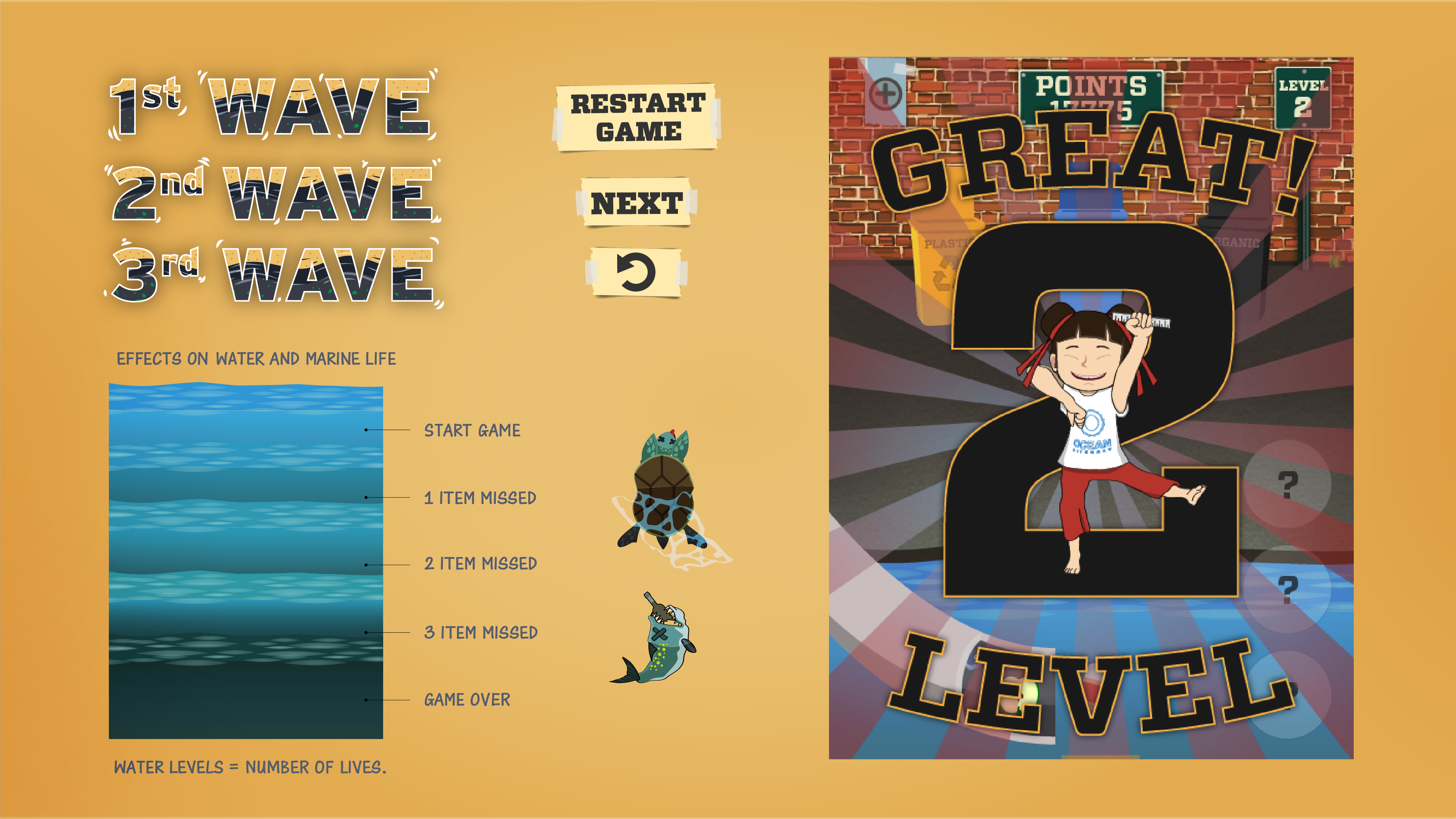
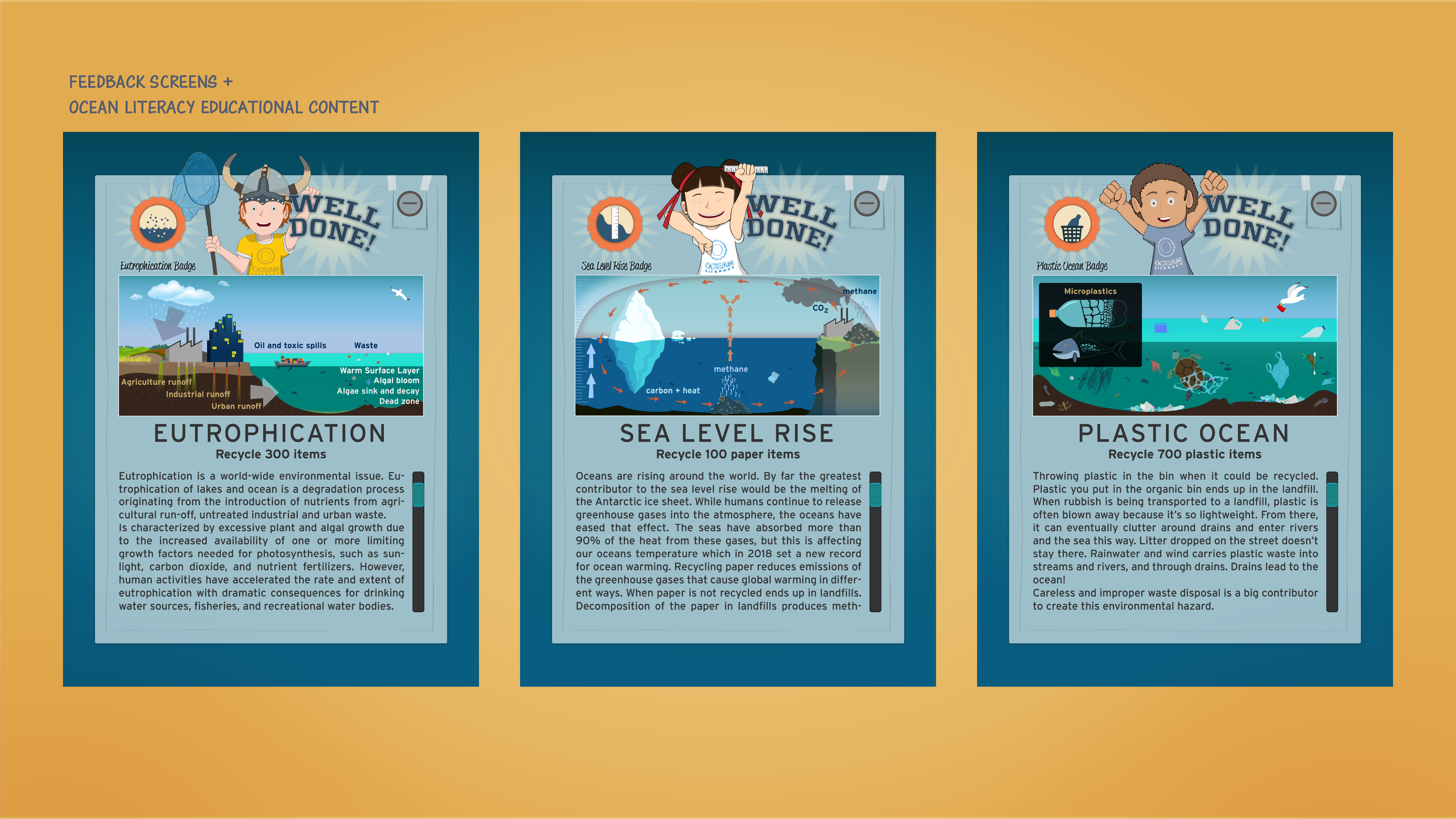
The Ocean Literacy application used in this investigation employed a game mechanic in which the user had to throw a sequence of items into the correct bin. All game mechanics were previously tested with students, who participated and contributed in different roles to the design process to understand their real needs. Whenever the user fails to throw an item into a bin or introduces an item into the wrong bin, they lose one life. A dirtier water level represents the loss of life. Therefore, each time the player fails to recycle, the water becomes darker, the fish start to die on the water’s surface, and the game ends.
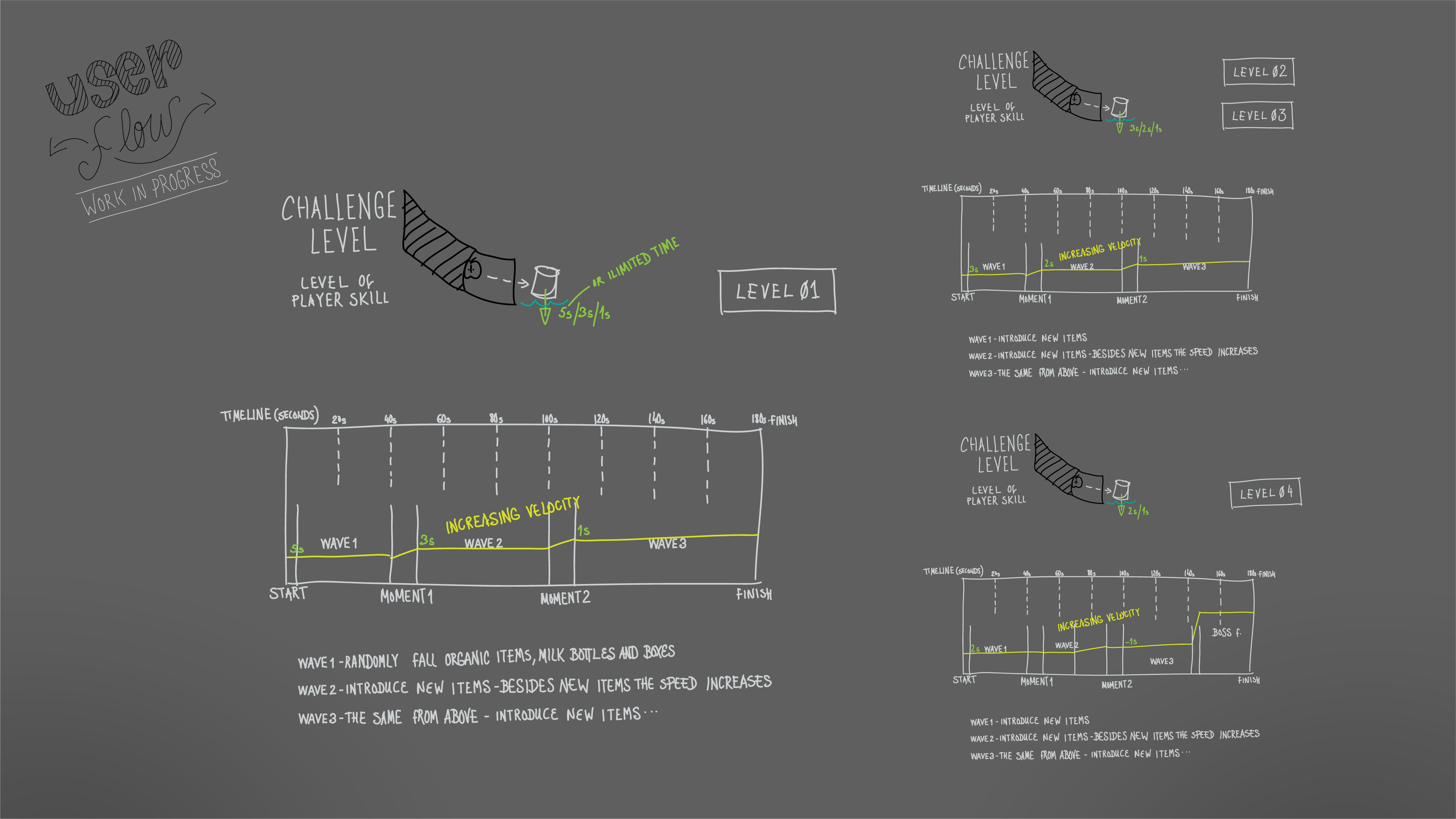
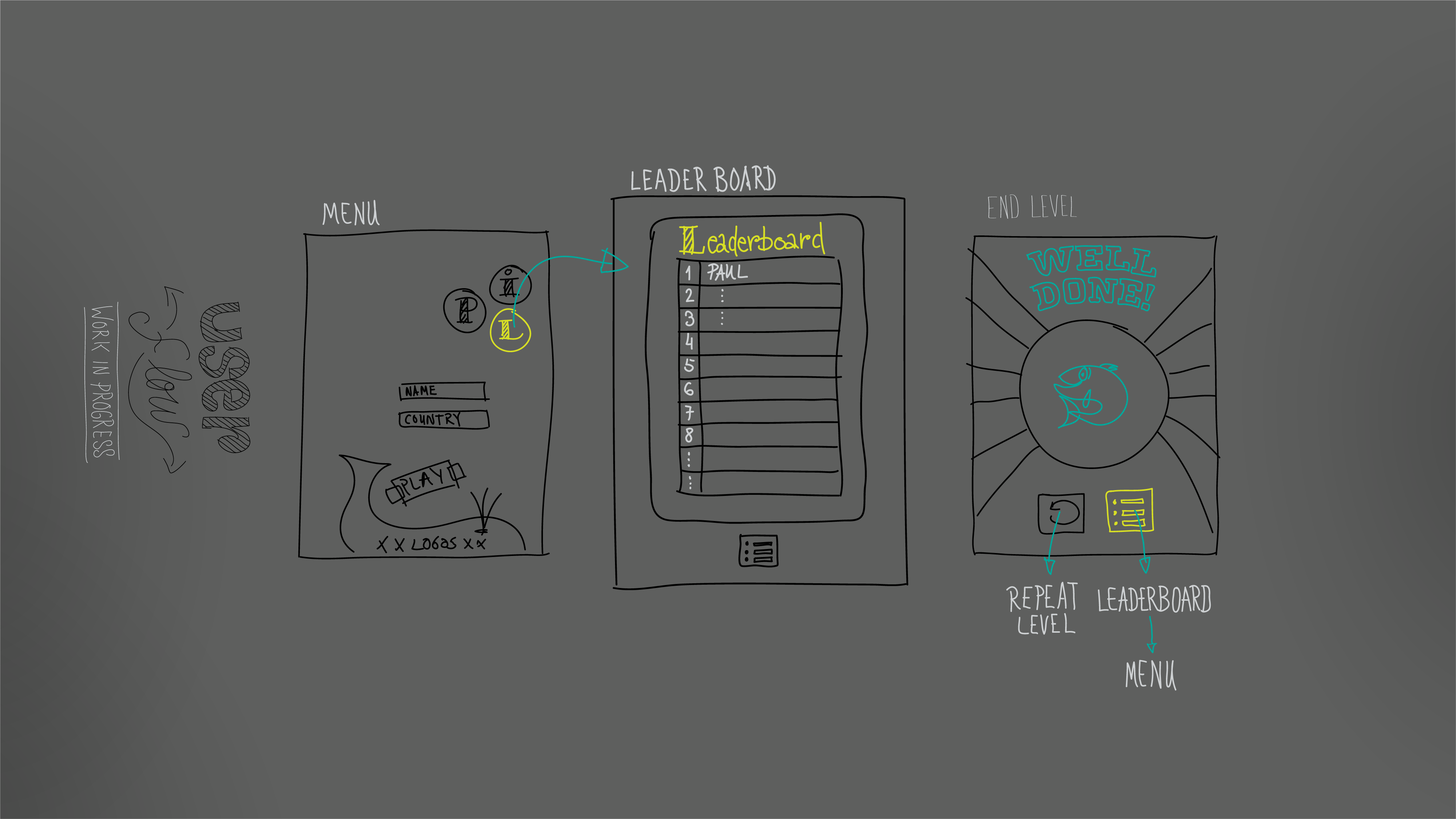
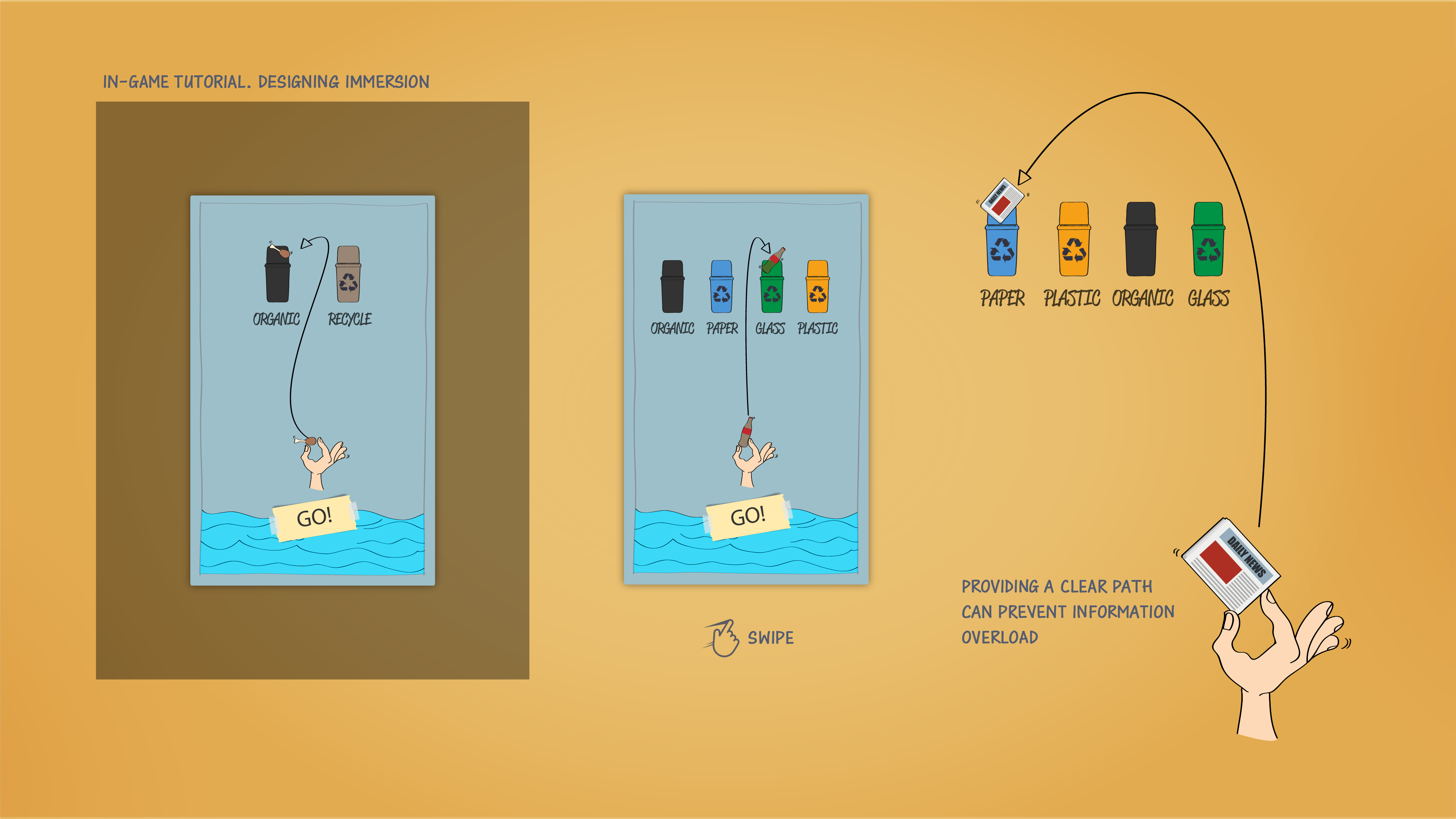
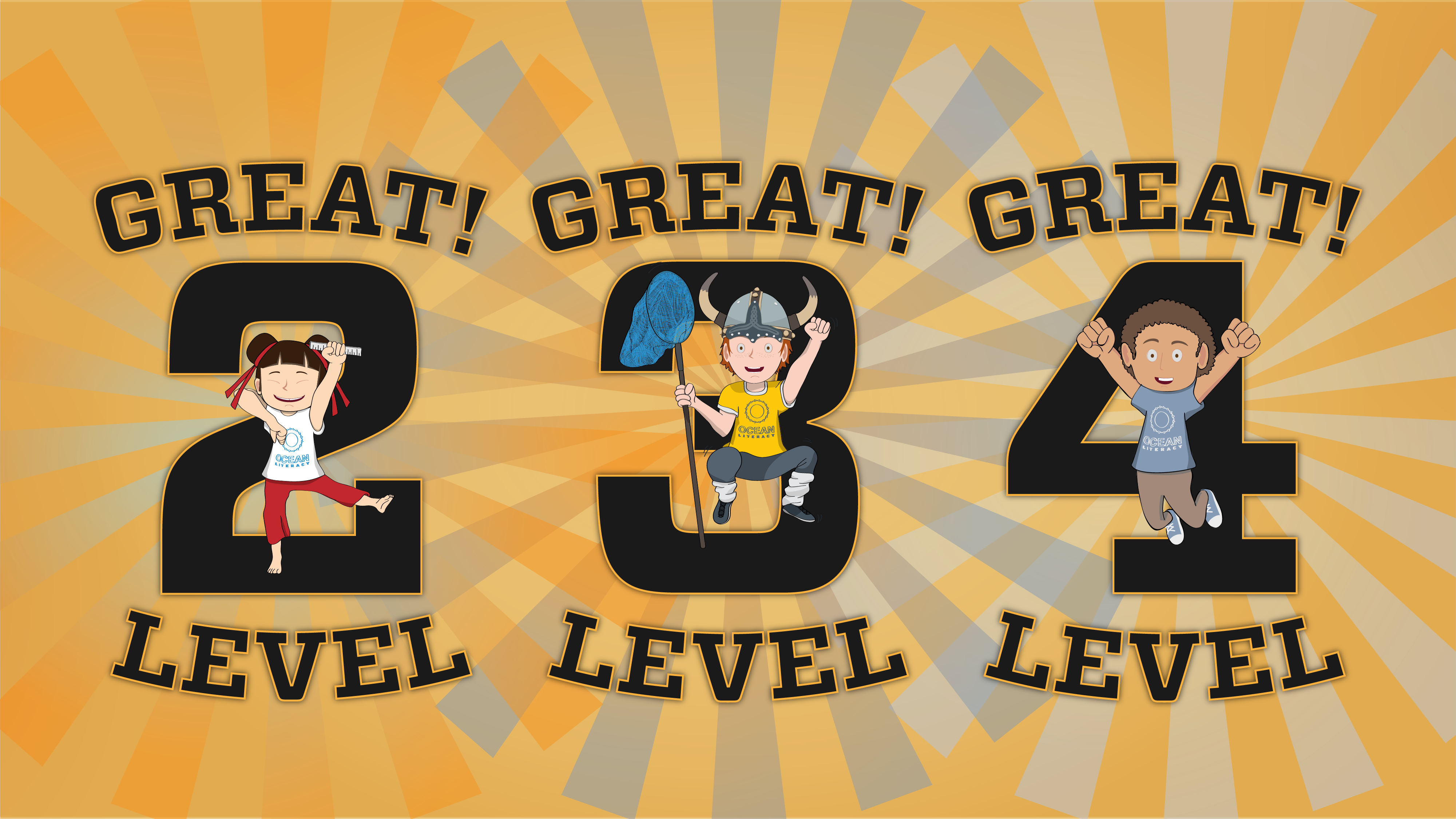
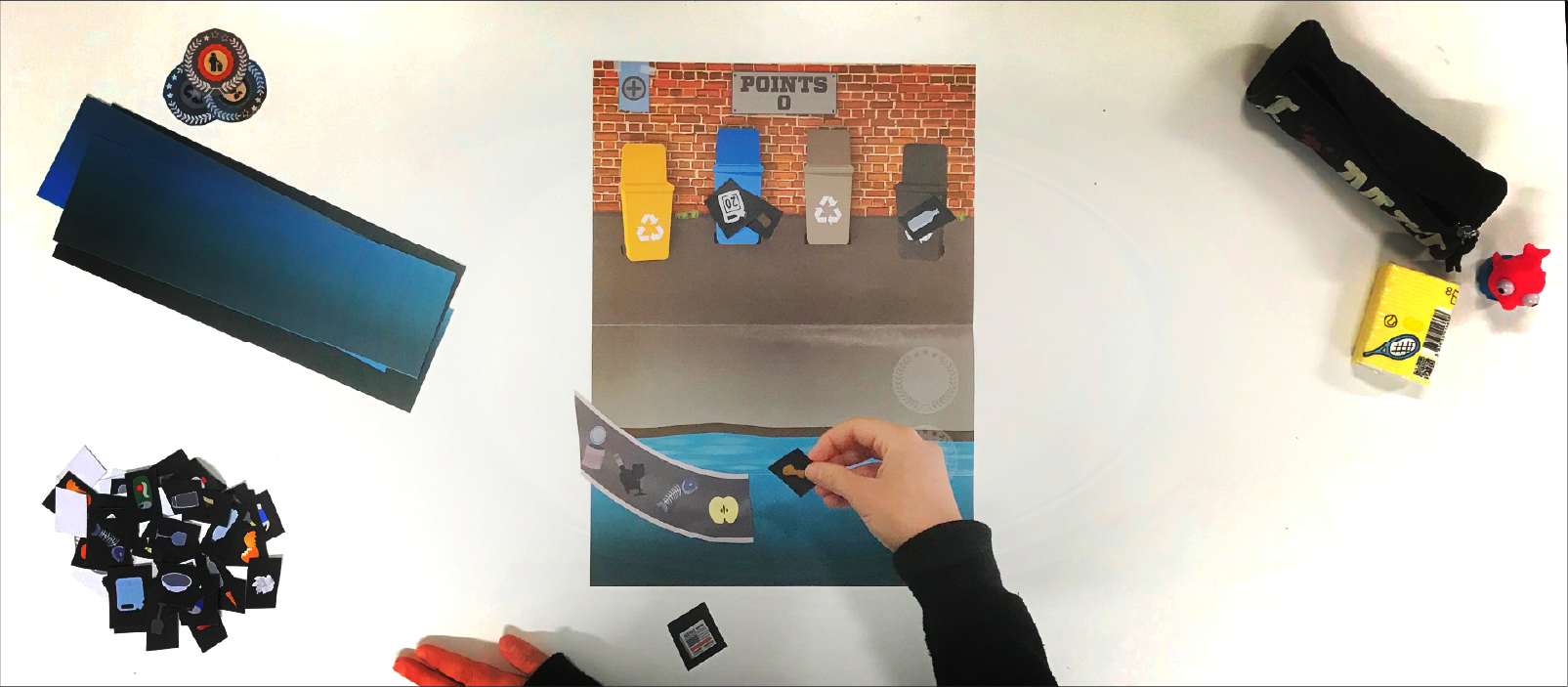 Based on the Flow and SDT theory, for the optimal experience to happen, a balance between challenges and skills is necessary. This balance was sought, e.g. through the relationship between the different types of waste appearing in the game, the time to throw them into the correct bin, and the necessary speed to act. All these elements were grouped into three types of waves or game stages. Clear goals were presented in the form of in-game tutorials before each level started, through a graphical user interface that showed users how to accomplish the tasks.
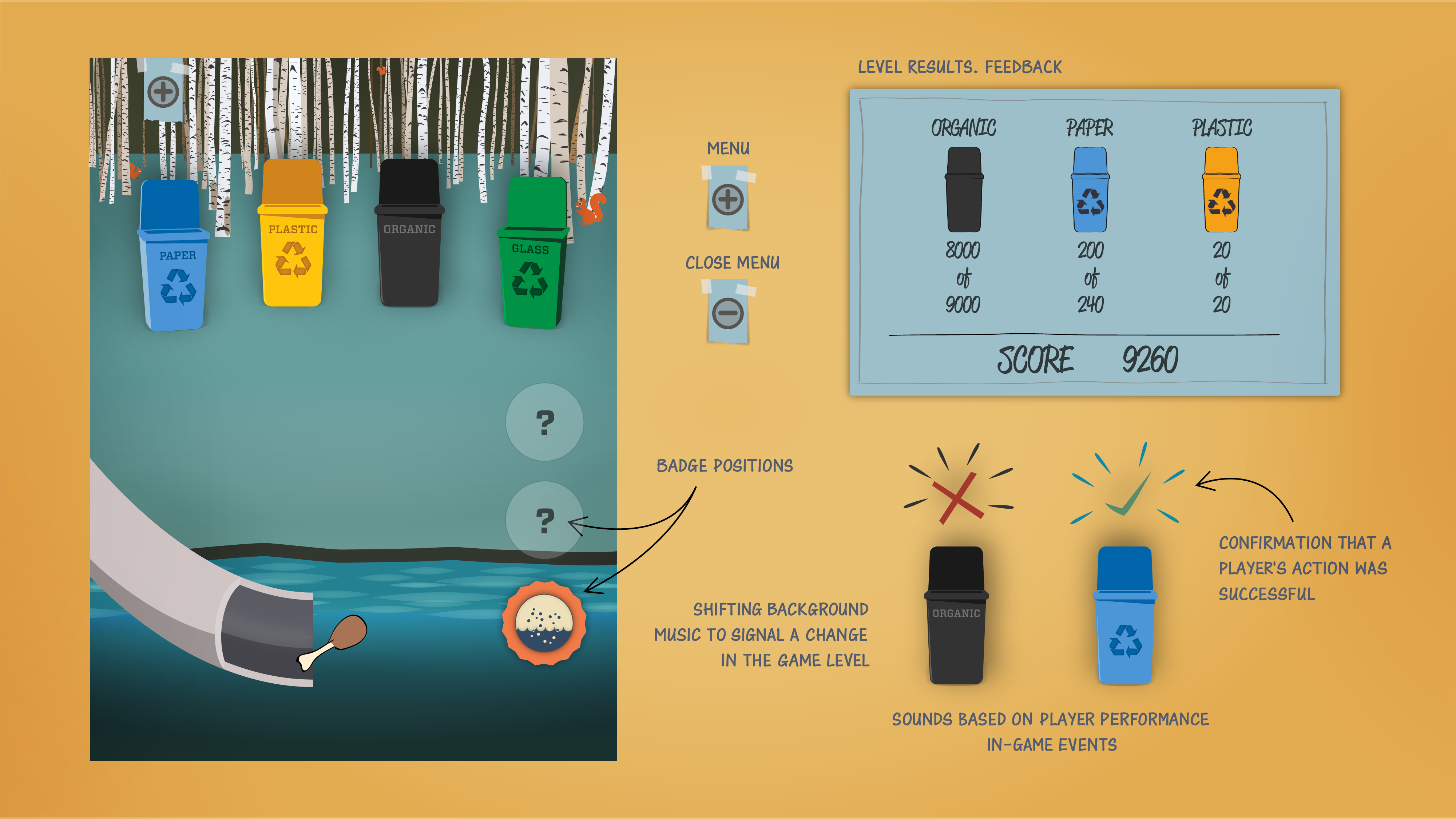
The user receives immediate feedback of all the actions performed in a visual form through buttons, menus and other navigation items, and also through sounds. The immediate feedback to the user’s actions also relates their actions to the effects on water. As users increase their skill level, they become bored unless the application increases the challenge to match the increased abilities. Therefore, another balance between the challenge and users' skills was sought regarding opportunities for recycling as they progressed through the different levels.
Based on the Flow and SDT theory, for the optimal experience to happen, a balance between challenges and skills is necessary. This balance was sought, e.g. through the relationship between the different types of waste appearing in the game, the time to throw them into the correct bin, and the necessary speed to act. All these elements were grouped into three types of waves or game stages. Clear goals were presented in the form of in-game tutorials before each level started, through a graphical user interface that showed users how to accomplish the tasks.
The user receives immediate feedback of all the actions performed in a visual form through buttons, menus and other navigation items, and also through sounds. The immediate feedback to the user’s actions also relates their actions to the effects on water. As users increase their skill level, they become bored unless the application increases the challenge to match the increased abilities. Therefore, another balance between the challenge and users' skills was sought regarding opportunities for recycling as they progressed through the different levels.
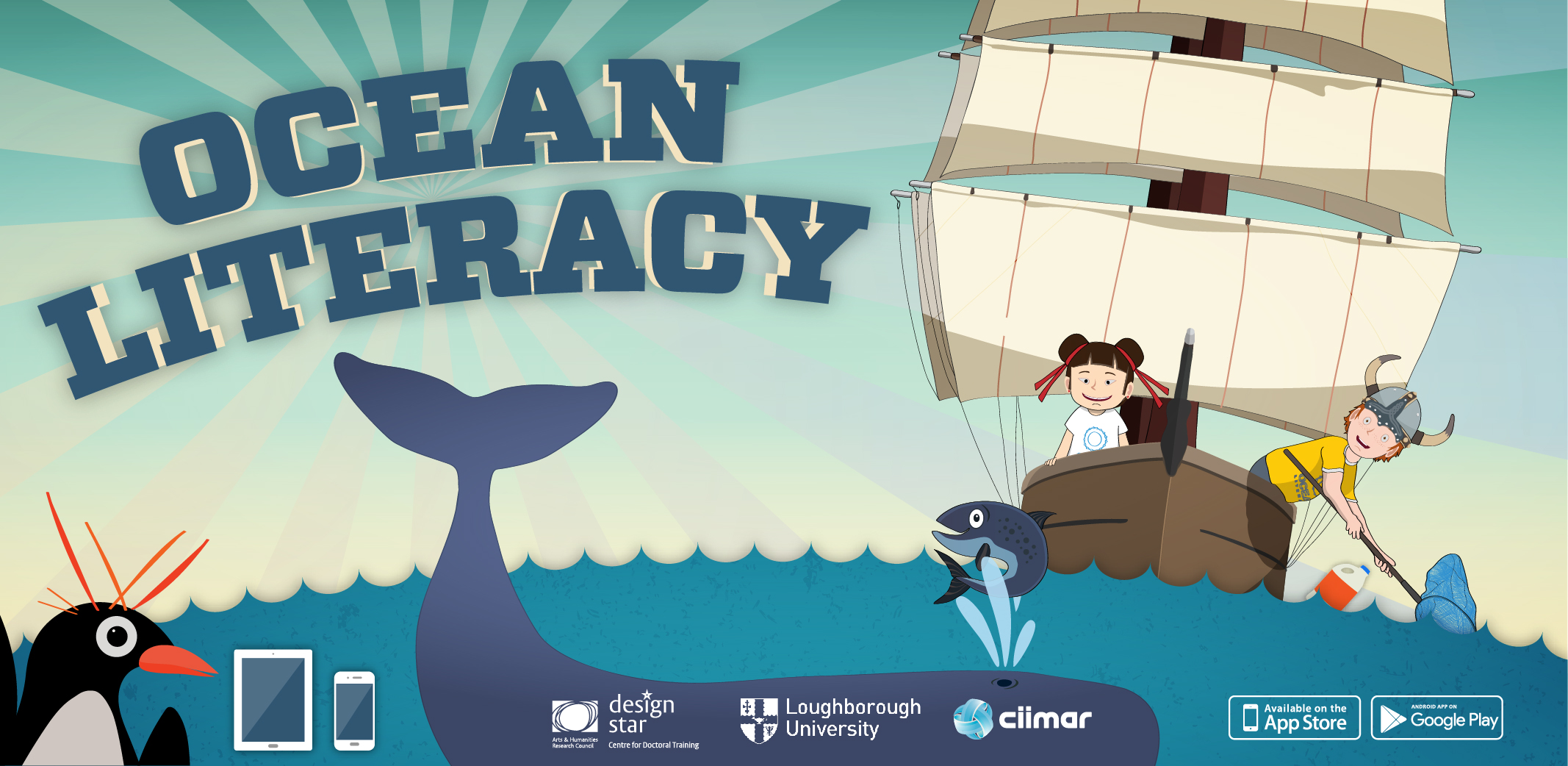
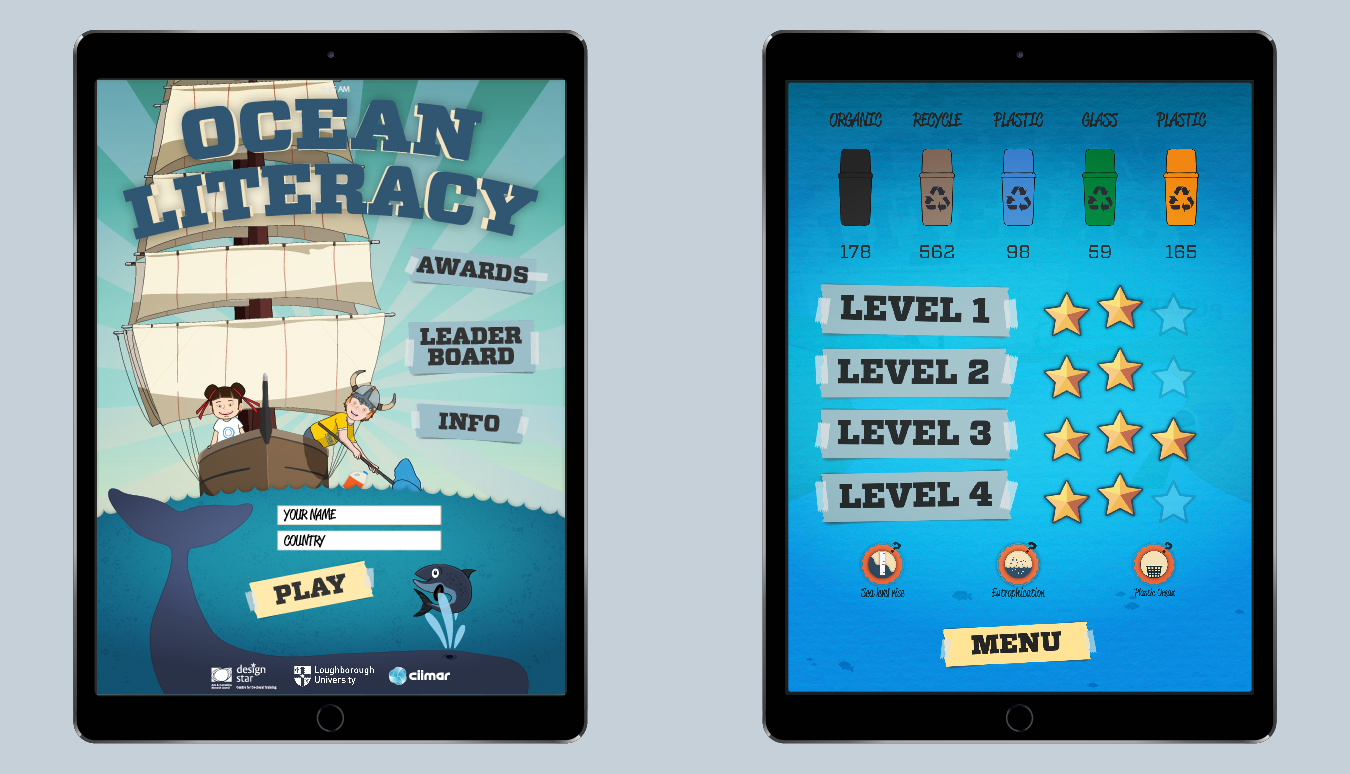 The gamification concept in this study focuses on making learning experiences more engaging through game design elements and techniques. This present study aimed to understand how engaging with a mobile gamified application on ocean literacy topics during learning activities can raise awareness of the impact of our daily choices on the marine ecosystem. Since previous gamified studies have yielded contradictory findings, and one sharp criticism is that multiple game elements were often studied in combination, the research prototype Ocean Literacy was developed to help answer this concern.
 Findings indicate that the inclusion of game elements positively influences learning outcomes. At least, as far as the overall results are concerned, there appears to exist a close correspondence between the different game elements and the learning outcomes.
 This study aimed to understand the effects of different game elements on students’ situational motivation to recycle. Results seem to point to a trend concerning the effect of different game elements on the motivation to recycle of students from both countries. All the sessions with the ocean literacy prototype application were shown to have the potential to improve the students’ intrinsic motivation, but in different degrees of effectiveness. Therefore, gamified applications could help stimulate students’ intrinsic motivation by promoting their initiative to engage in the activity for its own sake, for the fun and satisfaction they experience while learning. However, it is important to highlight that there is no one-size-fits-all model for the successful gamification of a learning activity.
References
Chee, C.-M., and Wong, D. H.-T. (2017). Affluent gaming experience could fail Gamification in education: A review. IETE Technical Review, 4602(July), 1–5. https://doi.org/10.1080/02564602.2017.1315965.
Daigle, D. (2003). Involving the public in coastal conservation: Obstacles and opportunities. Values at Sea: Ethics for the Marine Environment, 230–238.
Deci, E., Ryan, R., and Koestner, R. (1999). A meta-analytic review of experiments examining the effects of extrinsic rewards on intrinsic motivation. Psychological Bulletin, 125(6), 627–668. https://doi.org/10.1037/0033-2909.125.6.627.
This study aimed to understand the effects of different game elements on students’ situational motivation to recycle. Results seem to point to a trend concerning the effect of different game elements on the motivation to recycle of students from both countries. All the sessions with the ocean literacy prototype application were shown to have the potential to improve the students’ intrinsic motivation, but in different degrees of effectiveness. Therefore, gamified applications could help stimulate students’ intrinsic motivation by promoting their initiative to engage in the activity for its own sake, for the fun and satisfaction they experience while learning. However, it is important to highlight that there is no one-size-fits-all model for the successful gamification of a learning activity.
References
Chee, C.-M., and Wong, D. H.-T. (2017). Affluent gaming experience could fail Gamification in education: A review. IETE Technical Review, 4602(July), 1–5. https://doi.org/10.1080/02564602.2017.1315965.
Daigle, D. (2003). Involving the public in coastal conservation: Obstacles and opportunities. Values at Sea: Ethics for the Marine Environment, 230–238.
Deci, E., Ryan, R., and Koestner, R. (1999). A meta-analytic review of experiments examining the effects of extrinsic rewards on intrinsic motivation. Psychological Bulletin, 125(6), 627–668. https://doi.org/10.1037/0033-2909.125.6.627.